Coin Garden Time Machine.
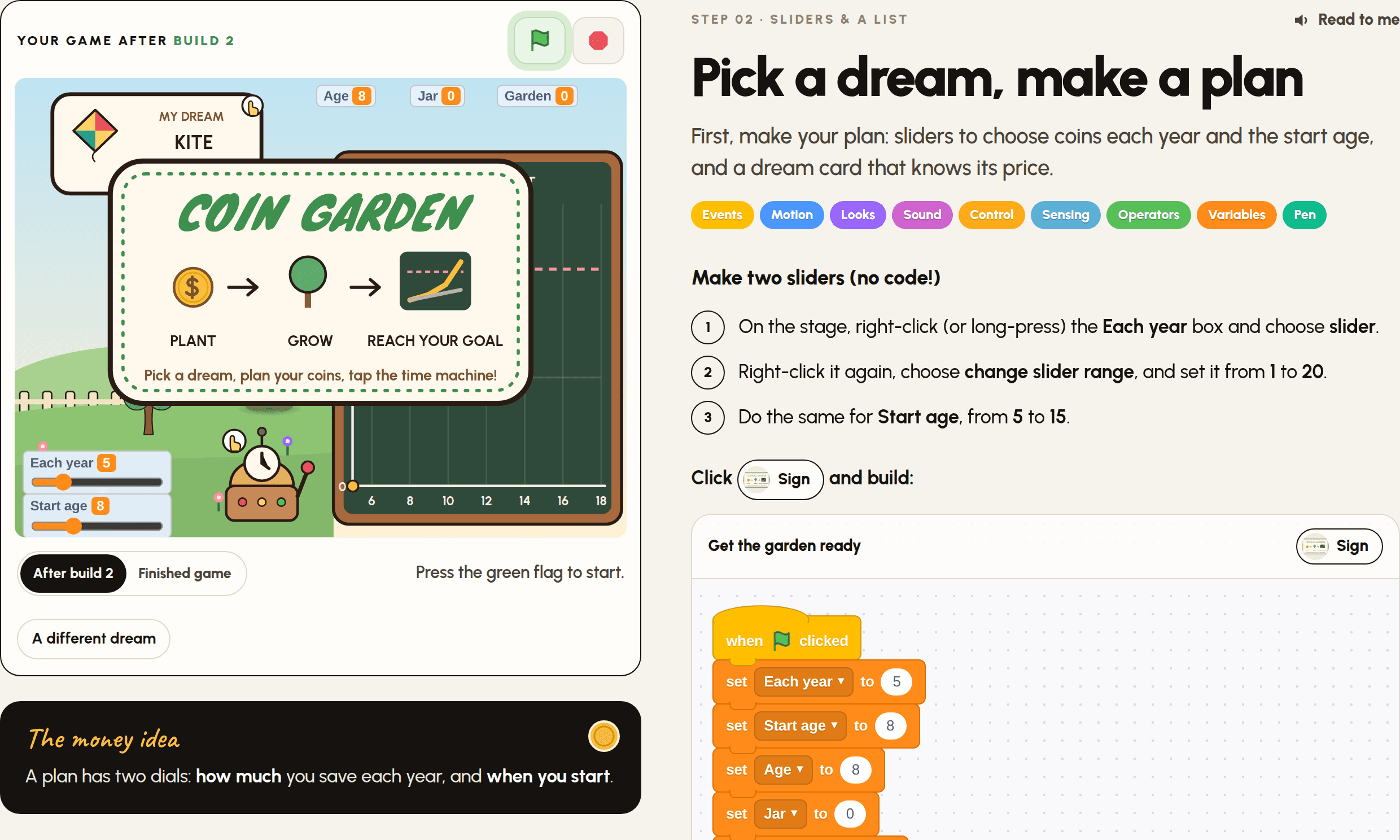
Pick a dream. Plan your coins. Jump ahead in time and watch them grow.
- One-time payment. Instant download.
- For ages 7 to 12. A grown-up helps with setup the first time
- English instructions. Built on a laptop or desktop with free Scratch: online, or installed to work offline
- Three editions in every download: Anywhere, UAE and India. Names, places and pictures change; the instructions stay in English
- One ZIP file, 6.5 MB, works offline
- If a pack doesn't work, we'll fix it or refund you. Not sure yet? Try Market Day free
What your child builds
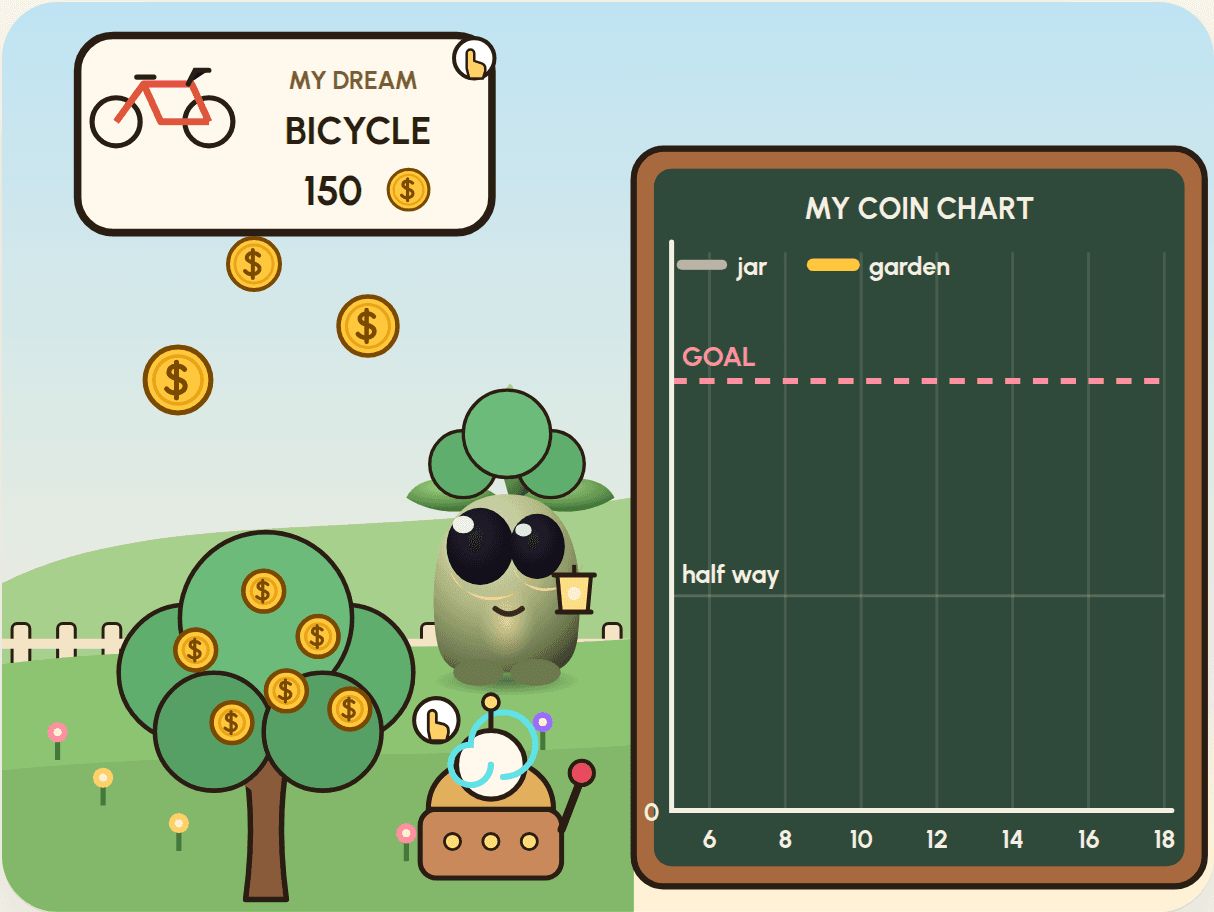
A time machine for savings. Your child picks a dream, from a kite to a laptop, and sets how many coins to plant each year and the age to start. Then the years fly by: the Pen draws a jar that grows steadily and a garden that grows faster, because coins grow on coins.
Three editions: An oak, a date palm or a mango tree, with dreams to match: a bicycle, a drone or a cricket kit.
What they learn
- Setting a goal and a plan
- Growth over time: coins that grow on coins
- Why starting early matters
- Sliders
- A list of prices
- The Pen extension to draw a live chart
- Scaling maths so the chart fits
■ money ■ coding
Nine short steps
- STEP 00Plant a dream, watch it growYour mission
- STEP 01Set up your gardenSprites, variables & a list
- STEP 02Pick a dream, make a planSliders & a list
- STEP 03Build the time machineThe Pen & chart maths
- STEP 04Make the garden growround & multiplying
- STEP 05Grow the treeSize from a variable
- STEP 06Pop out the new coinsRepeat by a number
- STEP 07Meet future youTwo endings & join
- STEP 08Become a time plannerExperiment & share
For grown-ups
A goal, a plan, and the shape of growth. Every pack ends with a section for you: what your child learned in each build, and questions to keep the conversation going.
“What would you save for? What would it cost?”
“Why does the gold line curve more at the end?”
“Is it better to save a lot later, or a little now?”
 Market DayPack 01 · Free
 Festival Day StallPack 02 ·
 Treasure MapPack 04 ·
 Coin TrailPack 05 ·
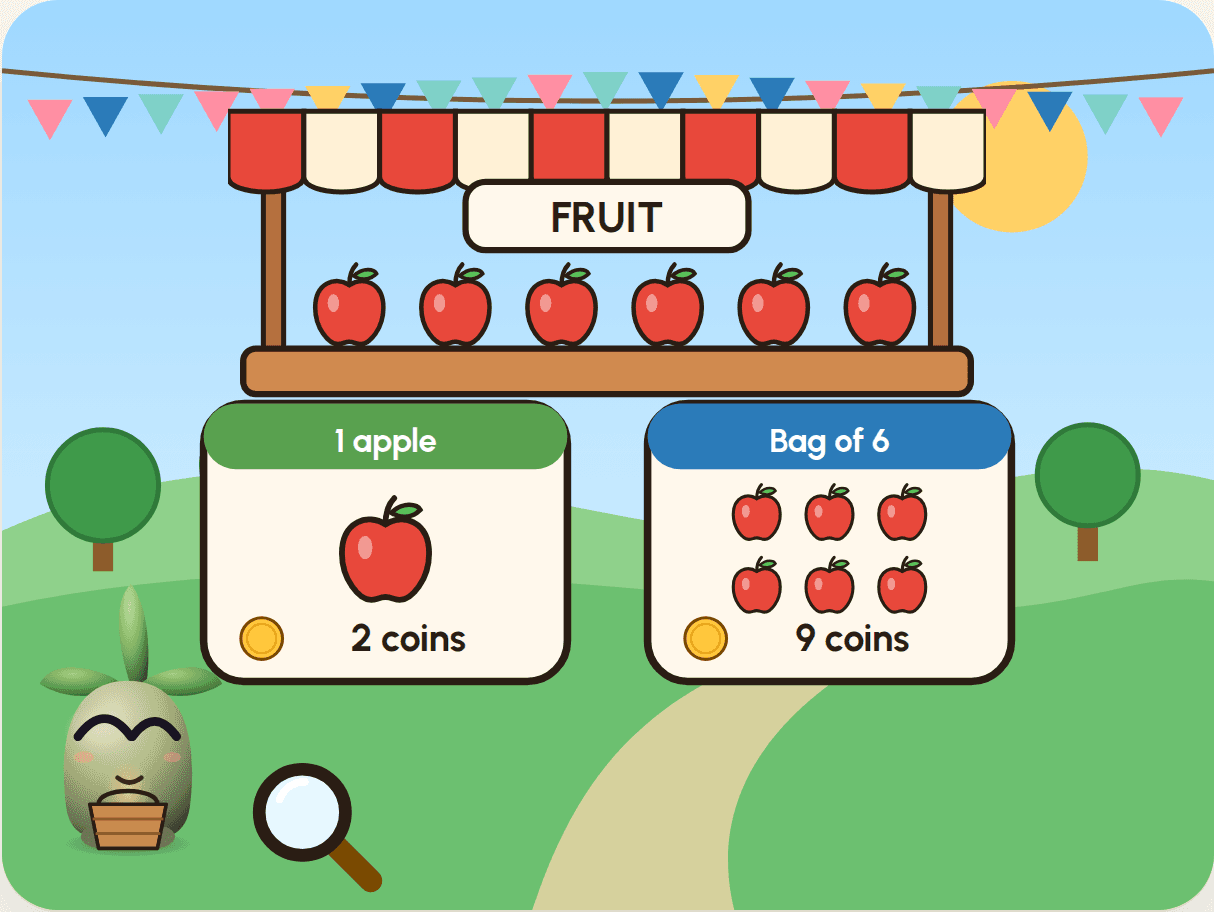 Deal DetectivePack 06 ·
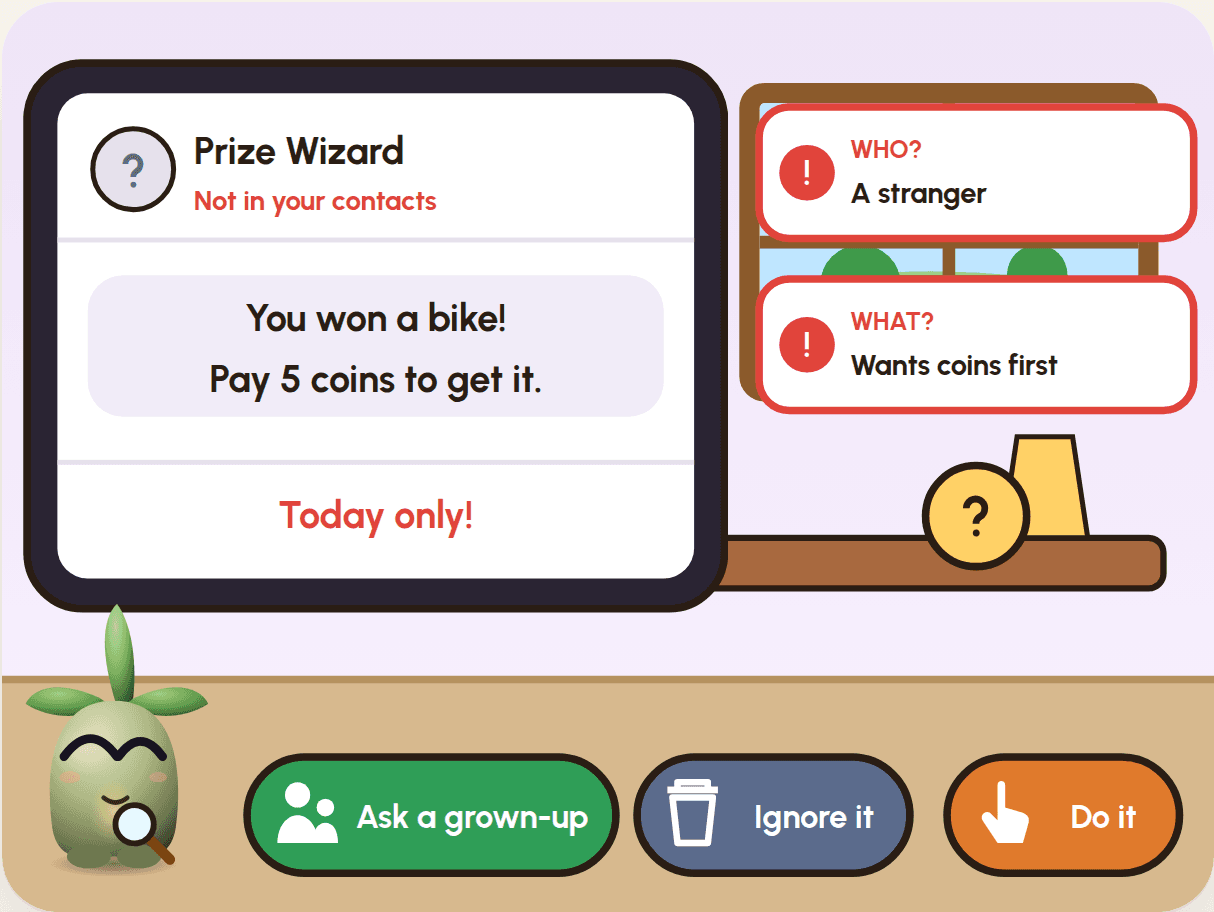 Scam DetectivesPack 07 ·
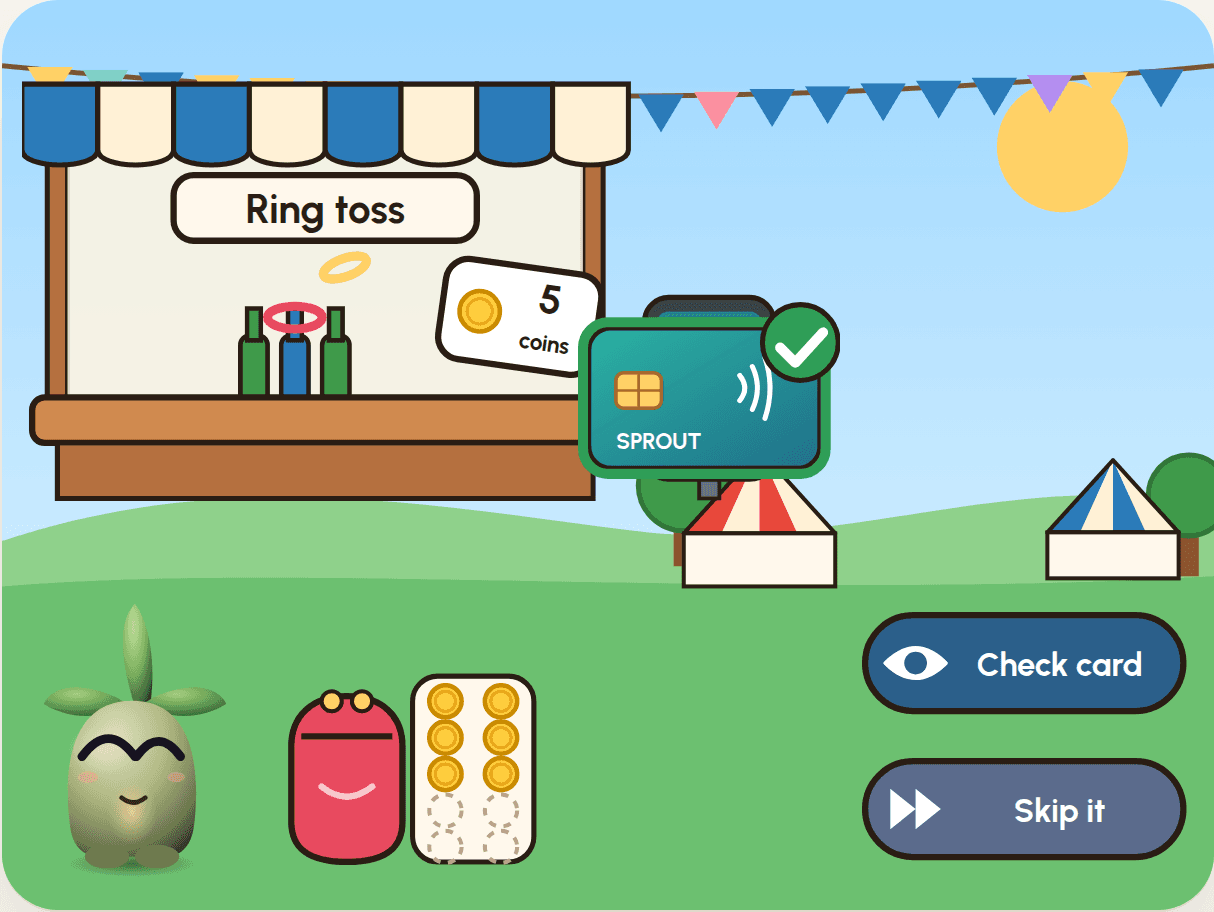 Tap and TrackPack 08 ·